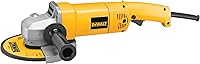
Angle Grinder Parts Explained: Guard, Spindle Lock, Handle
The main angle grinder parts are the motor, switch, spindle, wheel, guard, and side handle. Learn what each does, then match the guard and wheel to your task and check your grinder manual before setup.
On this page (11 sections)
- What are the main angle grinder parts?
- What does the angle grinder guard do?
- What do the spindle lock and flanges do?
- How do the wheel, spindle, and guard work together?
- Why does an angle grinder have a side handle?
- What does the switch do, and which type should you choose?
- Which angle grinder parts matter when choosing a tool?
- How should you set up and care for grinder parts?
- What common angle grinder parts mistakes should you avoid?
- Which angle grinder parts and features should guide your decision?
- FAQ about angle grinder parts
The main angle grinder parts are the motor, switch, spindle, wheel, guard, and side handle. Knowing their jobs helps you choose compatible accessories, set up the grinder, and spot problems before work.
The motor turns the spindle, which carries the wheel. The switch starts and stops the motor, while the guard and handle help you control the tool during a cut or grinding pass.
If you're shopping for angle grinder parts or a complete grinder, start with the wheel size and task. Then check that the guard, flanges, and handle fit the tool, and use its manual for adjustments and replacement instructions.
What are the main angle grinder parts?
The core parts are the motor body, switch, spindle, wheel, guard, and side handle. A spindle lock and wheel flanges are also common, though their design varies by model.
The body holds the motor and gives you a grip. At the front, the spindle turns the attached wheel, with inner and outer flanges securing it.
The guard sits around part of the wheel, and the side handle gives you another place to hold the grinder.
Don't assume parts from one grinder fit another just because the wheels look the same size. Check the manual for compatible wheel dimensions, guard type, and fitting instructions before buying replacements.
What does the angle grinder guard do?
The guard helps shield you from sparks and debris, and it must suit the wheel and task. Keep it between you and the wheel, with its opening directed away from you as the manual instructs.
Do not remove the guard to reach a tight spot. Stop using the grinder if the guard is cracked, loose, or missing, and don't start work until it's correctly installed.
Some guards adjust without a tool. The DEWALT DWE4011 has a One-Touch guard, and the Bosch GWS8-45 has a quick-adjustable burst-protection guard.
Choose this kind of setup if you expect to change your working angle and want quick guard adjustment. Skip a grinder with a guard arrangement that doesn't support your intended wheel or work; convenience cannot make an incompatible setup safe.
What do the spindle lock and flanges do?
The spindle lock holds the shaft still for a wheel change, while the flanges clamp the wheel in place. Use the lock only after the motor is off and the wheel has fully stopped.
Unplug a corded grinder or remove its battery before changing a wheel. Follow the manual's sequence for engaging the lock and loosening or tightening the retaining nut with the correct wrench.
Keep the flange faces clean so the wheel seats properly. Before fitting a replacement, check the wheel for cracks or chips and confirm its type, size, and speed rating are compatible with the grinder.
The Bosch GWS8-45 has a large spindle lock. See angle grinder discs explained to compare common wheel types and their intended jobs.
How do the wheel, spindle, and guard work together?
The spindle turns the wheel, and the guard must match the wheel and the operation. Choose a wheel designed for the material and task, then fit the proper guard and flanges according to the manuals.
A cut-off wheel and a grinding wheel are made for different kinds of contact. Don't use a wheel for a task it wasn't designed to handle, press sideways on a cut-off wheel, or force a wheel into a guard that doesn't fit.
Check the wheel before every job and again after a change. A damaged wheel can break during use, so replace one that is cracked, chipped, or otherwise damaged rather than trying to keep using it.
The wheel size also affects the grinder you need and the range of accessories it accepts. Our guide to angle grinder sizes explains how common sizes shape that choice.
Why does an angle grinder have a side handle?
The side handle gives you a second grip to help guide the grinder. Install it firmly in a position that lets you hold the tool securely and keep the guard between you and the wheel.
Some grinders offer more than one handle position. The DWE4011 has a removable two-position side handle, and the Bosch GWS8-45 also has a two-position handle.
Use the side handle whenever the grinder is designed to accept one. Don't treat it as protection from kickback.
Don't hold the grinder by its guard or cord. Review angle grinder safety basics before working, especially if you're new to the tool.
What does the switch do, and which type should you choose?
The switch controls when the motor runs, so choose a control you can operate safely for your work. Learn how your model starts and stops before connecting power or fitting a wheel.
A paddle switch is held during operation, while slide switches and lock-on features work differently. The Makita 9557PBX1 has an extra-large paddle switch and a lock-on/off feature; read its manual so you know how that control behaves.
A lock-on feature can help during continuous operation, but it also means you need to understand how to stop the tool promptly. Never set a running grinder down, and wait for the wheel to stop before putting it aside.
Which angle grinder parts matter when choosing a tool?
Choose a grinder whose guard, handle, switch, and wheel capacity fit your jobs and your usual setup. Also decide whether you need corded power, battery operation, or a kit with useful accessories.
The DEWALT DWE4011 is a corded 4-1/2 in grinder with a One-Touch guard, a two-position side handle, and a tool-free wheel release. It suits a buyer who wants quick guard adjustment and wheel removal, but skip it if you need cordless operation.
The DEWALT DCG408B is a cordless paddle-switch grinder with Type A and Type B guards, a side handle, and anti-rotation features that include a Kickback Brake and E-Clutch. It suits users who already have a compatible DEWALT battery setup and need to move around without a cord; the battery and charger are sold separately.
The Makita 9557PBX1 is a corded kit that includes grinding and cut-off guards, grinding wheels, a diamond blade, a case, and a side handle. It suits buyers who want several accessories included, but skip the kit if you already have the right wheels and guards.
The Bosch GWS8-45 has a two-position handle, a quick-adjustable guard, a large spindle lock, and service minder brushes. It suits a buyer who values those setup and maintenance features; compare its included guard and wheel compatibility with the work you plan to do.
How should you set up and care for grinder parts?
Disconnect the power before you inspect, adjust, clean, or change parts. Assemble the wheel, flanges, guard, and handle as the manual directs, then check that each is secure before reconnecting power.
Before each job, inspect the guard and handle for damage or looseness, and look over the wheel for cracks or chips. Confirm that the wheel and flanges suit the grinder and the material, and make sure the switch works as intended.
After work, wait for the wheel to stop before setting the grinder down. Keep the tool clean and clear of debris around its openings, following the maker's cleaning instructions; don't open or service the motor unless the manual says you can.
The Bosch GWS8-45 has directed airflow to divert dust from vital parts and service minder brushes that signal when maintenance is needed. For every grinder, treat a change in sound, vibration, or switch behavior as a reason to stop and check the manual.
What common angle grinder parts mistakes should you avoid?
The most common mistakes are using the wrong wheel or guard, skipping the handle, and changing a wheel while the tool can still start. A careful setup takes less time than correcting a damaged or unsafe assembly.
Don't force a wheel into place or substitute flanges that don't match it. Don't remove the guard for access, engage the spindle lock while the wheel is moving, or leave the lock engaged when starting the grinder.
Avoid choosing a replacement part by appearance alone. Confirm the grinder model and the accessory requirements in the manual, especially for guards, wheel size, and retaining hardware.
Which angle grinder parts and features should guide your decision?
Pick the grinder based on the work you do most often and the parts that make that work easier to set up safely. Choose the DWE4011 for corded use with quick guard adjustment, the DCG408B for cordless work if you have its battery setup, the Makita kit for included guards and accessories, or the Bosch for its quick-adjustable guard and service minder brushes.
Before you buy, confirm that the grinder accepts your intended wheel and that its guard covers the task. If you need replacement angle grinder parts, identify the grinder model first and match the part to its manual.
For broader tool guidance, read how to choose an angle grinder. Keep the guard fitted, the handle secure, and the correct wheel installed before every job.
FAQ about angle grinder parts
Can you use an angle grinder without a guard?
No. Use the correct guard for the grinder, wheel, and task, positioned between you and the wheel.
A missing or damaged guard leaves you exposed to sparks and debris. Follow the grinder manual and don't remove the guard to reach a difficult spot.
How do you change an angle grinder wheel?
Disconnect power, wait for the wheel to stop, then use the spindle lock and the correct wrench as your manual directs. Check that the replacement wheel and flanges match your grinder.
After fitting the wheel, make sure the guard is secure and correctly positioned before reconnecting power.
Is the spindle lock the same as the switch?
No. The switch controls the motor, while the spindle lock holds the shaft still for a wheel change.
Don't use the spindle lock to stop a moving wheel. Turn off the grinder, disconnect its power source, and wait for the wheel to stop before engaging the lock.
Can the side handle go on either side?
Some grinders let you place the handle in more than one position, but the options depend on the model. Check your manual and use a position that gives you a firm grip while keeping the guard between you and the wheel.
Attach the handle firmly before starting work.
Frequently asked questions
What are the main parts of an angle grinder?
The main angle grinder parts are the motor body, switch, spindle, wheel, guard, and side handle. Many models also have a spindle lock and removable flanges that hold the wheel.
Check your manual for the names and arrangement of parts on your model.
What does an angle grinder guard do?
The guard helps shield you from sparks and debris. Use the correct guard for the wheel and task, position its opening away from you, and keep it between you and the wheel.
Follow your grinder manual, and don't use a grinder with a missing or damaged guard.
What does the spindle lock do on an angle grinder?
The spindle lock holds the grinder shaft still while you loosen or tighten the wheel's retaining nut. Unplug a corded grinder or remove its battery before changing a wheel, and use the lock only after the wheel has stopped.
Follow the manual's instructions for the wrench and flanges.
Do you need a side handle on an angle grinder?
Use the side handle whenever your grinder is designed to accept one. It gives you a second grip to help guide the tool.
Install it in a position that suits the work and your grip, and don't hold the tool by its cord or guard.