Angle Grinder Safety: Guard, Gear and Kickback
Use the correct guard and disc, wear protective gear, and keep a firm grip to reduce angle grinder hazards. Unplug or remove the battery before adjustments, and stop if the tool or disc is damaged.
On this page (8 sections)
- What gear should you wear for angle grinder safety?
- Why does the angle grinder need a guard?
- How can you lower the risk of kickback?
- What should you check before switching the grinder on?
- How do you handle sparks, dust, and hot material?
- Can you use an angle grinder to cut wood?
- What should you do after the cut or grind?
- How do you make a safer angle grinder setup?
Angle grinder safety starts with the right guard and disc, protective gear, and a steady two-handed grip. Keep the work secure, stay out of the wheel's path, and stop before making adjustments or replacing a disc.
A grinder can throw sparks and debris, create loud noise and dust, or jerk if the wheel binds. Check the tool manual and the disc instructions before each job, since the right setup depends on the grinder and material.
What gear should you wear for angle grinder safety?
Wear eye protection, hearing protection, and clothing that covers you without loose parts. For grinding or cutting, add a face shield over safety glasses or goggles, and choose respiratory protection for the dust involved.
A face shield adds coverage for the face, but it does not replace eye protection. TICONN safety glasses have wraparound polycarbonate lenses and adjustable temples; check that they fit securely under any face shield.
The NoCry face shield has a curved visor, adjustable headgear, and an anti-fog, anti-scratch coating. NoCry says its visor is ANSI Z87+ certified.
Grinding noise can damage hearing, so use hearing protection suitable for the work and surrounding noise. The 3M PELTOR Optime 105 earmuffs have an NRR of 30 dB and double-shell construction.
Dust protection depends on the material and exposure. The 3M 8511 is a NIOSH-approved N95 respirator for at least 95 percent filtration efficiency against certain non-oil-based particles and aerosols.
3M recommends it for dust from grinding and other listed tasks.
Use a respirator only for hazards it is designed to address, and follow its fit and use instructions. An N95 does not protect against every gas, vapor, or dust hazard.
Wear fitted clothing and sturdy footwear. Use gloves only if the grinder maker's instructions allow them, and keep hair, cords, jewelry, and loose sleeves away from the wheel.
Why does the angle grinder need a guard?
Keep the correct guard installed and positioned between you and the wheel. It helps deflect sparks and debris and limits exposure if the wheel breaks.
Use a guard made for the grinder and the disc type. Don't remove it to reach a tight spot, and don't modify it to fit a different wheel.
Before starting, inspect the guard for cracks, looseness, or damage. Check how it locks in place and adjust its position only with the grinder switched off and disconnected from power.
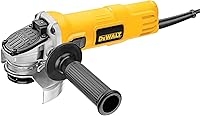
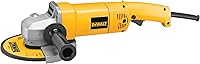
See angle grinder parts and what they do for how the guard, side handle, and spindle lock fit into the tool. The angle grinder guard guide covers guard types and their uses.
How can you lower the risk of kickback?
Keep a firm grip with both hands and avoid twisting or forcing the wheel. Kickback can happen when a wheel catches or binds, making the tool move suddenly.
Set the work so it cannot shift, and support it close to the cut without placing your hand in the wheel's path. Keep your body to one side of the wheel's line, not directly behind it.
Start the grinder with the wheel clear of the work, and let it reach operating speed before contact. Apply steady pressure; if the wheel slows, binds, or starts to wander, release the switch and wait for it to stop before checking the setup.
Don't use a damaged, cracked, or wrong-size disc. For help choosing a wheel for the job, see angle grinder disc types and uses.
What should you check before switching the grinder on?
Check the disc, guard, handle, workpiece, and power connection before every use. Keep the grinder unplugged or its battery removed while you inspect or change parts.
Match the disc to the grinder and the material, and confirm it is rated for at least the tool's maximum speed. Inspect the wheel for cracks, chips, or signs of damage, then mount it as the tool manual directs.
Make sure the side handle is attached and secure. Clear the work area of flammable items, and keep bystanders away from sparks and flying debris.
Stand with a stable base and enough room to move without crossing the wheel's path. Keep the cord behind the tool or check that the battery is locked in place.
How do you handle sparks, dust, and hot material?
Direct sparks away from people, flammable materials, and anything that could be damaged. Check the area around and behind the work, since sparks can travel farther than the cut.
Use ventilation or dust controls suited to the material. Don't grind unknown coatings or materials until you know what hazards they create and what protection is required.
Let the workpiece and disc cool before handling them. Avoid touching hot metal with bare hands, and keep a fire extinguisher suitable for the work area nearby when sparks could start a fire.
Can you use an angle grinder to cut wood?
Use a saw or another tool designed for wood whenever possible. A grinder wheel can catch in wood and pull the tool, raising the risk of losing control.
Don't fit a toothed saw blade unless the grinder maker specifically approves that attachment for your exact model. Read the manual and attachment instructions before attempting any wood work.
For a closer look at the risks and alternatives, read can angle grinders cut wood?. Keep every hand clear of the blade path, and secure the work before cutting.
What should you do after the cut or grind?
Switch off the grinder and wait for the wheel to stop before setting it down. Keep it pointed away from you and others while it spins down.
Unplug the tool or remove its battery before changing a disc, cleaning it, or storing it. Check the wheel and guard for damage after use, and don't reuse parts that show cracks or other defects.
How do you make a safer angle grinder setup?
For angle grinder safety, choose the right disc, keep the guard in place, and wear protection matched to the work. Hold the tool with both hands, secure the material, and stop if anything catches, shifts, or sounds wrong.
Read how to choose an angle grinder if you are matching a grinder to a job, and compare 4.5, 5, 7, and 9 inch grinder sizes before choosing a tool. Always follow the grinder and disc maker's instructions for your specific setup.
Frequently asked questions
Should you use an angle grinder without a guard?
No. Use the guard designed for the grinder and the work, positioned between you and the wheel.
A guard helps deflect debris and limits exposure to the wheel, but it does not make a damaged disc or unsafe work setup safe.
What safety gear should you wear with an angle grinder?
Wear safety glasses or goggles, hearing protection, and suitable work clothing; add a face shield over eye protection for grinding or cutting. Use a respirator suited to the dust and material, and follow its fit and use instructions.
How do you reduce angle grinder kickback?
Keep both hands on the tool, brace your stance, and avoid twisting or forcing the wheel into the cut. Support the work so the disc does not bind, use the correct disc and guard, and stand out of the wheel's path when starting.
Can an angle grinder cut wood safely?
An angle grinder is a poor choice for many wood cuts because the wheel can catch and pull the tool. Use a tool and blade designed for the specific wood task, and follow the tool maker's safety instructions.