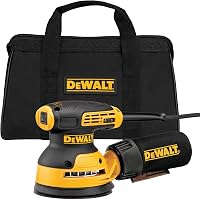
Belt Sander vs Orbital Sander: Which Is Better? (October 2026)
Choose a belt sander for fast stock removal and a random orbit sander for controlled smoothing and finish prep. This belt sander vs orbital sander comparison comes down to the surface, the amount of material to remove, and how much control the job needs.
On this page (10 sections)
- Belt sander vs orbital sander: which should you choose?
- How does each sander remove material?
- Which sander leaves a better finish?
- How do you set up a sander safely?
- Which sander is easier to control?
- Which one is better for paint and finish removal?
- How do you care for sanders and avoid common mistakes?
- How do dust collection and cleanup compare?
- Which sander fits a deck project?
- Which sander should you buy for your project?
Choose a belt sander for fast stock removal and a random orbit sander for controlled smoothing and finish prep. In a belt sander vs orbital sander comparison, the right choice depends on the surface, the amount of material to remove and the finish you want.
A belt sander carries abrasive paper around two rollers in a continuous loop. It cuts quickly across broad areas, but demands a steady grip and a clear path because a pause or tilted pass can leave a gouge.
A random orbit sander moves a round pad in small orbits while it spins. It removes material more gradually, making it a practical choice for smoothing wood and preparing smaller surfaces for finish.
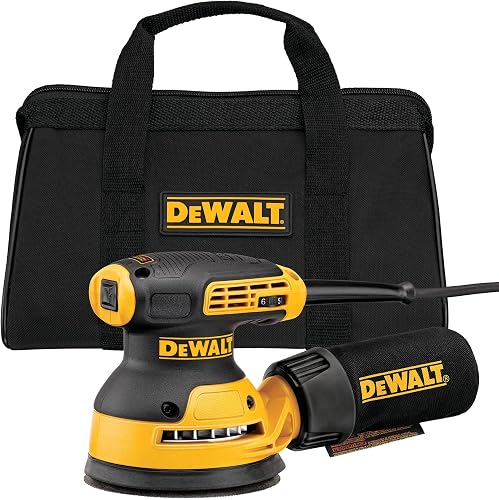 Best for furniture finishing
DEWALT DWE6423 5-Inch Random Orbit Sander
 Best for leveling wide boards
Metabo HPT SB8V2 3 x 21 Inch Belt Sander
Belt sander vs orbital sander: which should you choose?
Choose a belt sander for rapid sanding over a broad, flat area; choose a random orbit sander for smoother finish work and more controlled material removal. Start by asking whether the surface needs reshaping or mainly needs smoothing.
A belt sander suits rough boards, uneven patches and old finish on large flat surfaces. It can save time when a small round pad would take too many passes, but its aggressive cut is a poor match for delicate work or tight corners.
A random orbit sander fits finishing tasks, smaller pieces and surfaces that are already fairly even. Its slower action gives you more room to remove scratches gradually before paint, stain or another finish.
Skip a belt sander if you cannot keep it flat and moving, or if the workpiece is too small to hold securely. Skip a random orbit sander when you need to remove a substantial amount of material from a wide, uneven surface in a reasonable amount of time.
The DEWALT DWE6423 is a 5 in random orbit sander with variable speed. The Metabo HPT SB8V2 uses a 3 x 21 in belt, while the WEN HB424V has a 4 x 24 in belt and can also be attached to a bench.
How does each sander remove material?
A belt sander removes material faster, while a random orbit sander makes slower, more controlled passes. Choose the removal rate that matches the surface rather than reaching for the most aggressive tool by default.
A belt moves abrasive across a long strip with each pass. This makes belt sanders useful for flattening rough boards, leveling a wide wooden surface or removing old finish where there is room to move in straight, even strokes.
The same speed makes a belt sander less forgiving. Too much pressure, a tilted base or a pause can leave low spots and scratches that take additional sanding to correct.
A random orbit sander removes less material per pass. That slower cut is useful when the surface is close to its final shape and the goal is to smooth it without removing unnecessary wood.
When does a belt sander make sense?
A belt sander makes sense when a large, flat wooden surface needs noticeable material removed. Use it when you have a stable workpiece, room for straight passes and enough control to keep the tool flat.
The Metabo HPT SB8V2 has a variable speed dial and a clear front cover that improves visibility near a surface. Its belt gives broad coverage, though it still needs a clear path and careful handling near edges.
The WEN HB424V has a wider belt and adjusts from 660 to 1,310 feet per minute. It can work handheld or be clamped to a workbench for stationary sanding, which can suit someone who wants to guide smaller pieces across an upward-facing belt.
The Metabo HPT or WEN is a poor choice for delicate trim and work that calls for a very light touch. If you are new to belt sanding, practice on a scrap piece of similar wood before moving to the finished surface.
When does an orbital sander make sense?
A random orbit sander makes sense for smoothing wood, blending minor imperfections and preparing a surface for finish. Its round pad is easier to guide on smaller projects than a long belt.
The DEWALT DWE6423 runs at 8,000 to 12,000 OPM, so you can adjust its speed for the work. Its separate counterweight reduces vibration, and its low profile lets you get closer to the workpiece.
Use the included locking dust bag or connect a compatible collector when your setup allows. The dust port is designed for the DWV010 or DWV012 collectors; a DWV9000 Universal Quick Connector is needed to attach it to other vacuum systems with 1-1/4 in hoses.
A random orbit sander is not the right shortcut for quickly flattening a heavily warped board. It can smooth the board, but its smaller pad and slower removal rate make major leveling a long task.
Which sander leaves a better finish?
A random orbit sander is usually the easier choice for a smooth final finish. A belt sander can leave a sound surface too, but it takes more care to prevent directional marks and uneven patches.
On wood, sand with the grain when the task permits, and overlap belt passes slightly. Keep the tool moving at an even pace; leaving the belt in one spot can cut a hollow or create a deep mark.
With a random orbit sander, keep the pad flat and avoid leaning hard on the tool. Let the abrasive do the work, and replace paper when it stops cutting cleanly or becomes clogged.
Neither tool removes the need to work through grits. Start with an abrasive suited to the amount of material you need to remove, then move to finer grits and clear the scratches from the previous step before applying finish.
How do you set up a sander safely?
Set up either sander with the workpiece secured, the right abrasive installed and dust control ready before you switch it on. Read the tool manual for its specific start-up, belt change and safety instructions.
Clamp or otherwise secure the wood so it cannot shift under the tool. Clear cords and loose items from the work area, and wear eye and respiratory protection suitable for the sanding material.
For belt sanding, check that the belt sits correctly and runs as the manual directs. Keep both hands on the handles, position the tool flat before sanding, and lift it clear before stopping if the manual calls for that sequence.
For random orbit sanding, fit the paper squarely to the pad and check that the dust bag or hose is secure. Start with a light touch, keep the pad flat and avoid pressing down to force faster cutting.
If you use the WEN in benchtop mode, clamp it to a suitable workbench with its mounting pad as directed. Secure the workpiece before guiding it toward the stationary belt, and keep hands clear of the abrasive path.
Which sander is easier to control?
A random orbit sander is generally easier to guide for small finish tasks, while a belt sander needs a steady hand and a clear path. Match the tool to the size of the work and your comfort managing its movement.
The DEWALT's rubber overmold grip and reduced vibration design support a comfortable hold during surface sanding. It weighs 3.4 lb, compared with 9.5 lb for the Metabo HPT SB8V2, but a tool's balance and grip matter along with its weight.
A belt sander can pull forward as the belt moves. Hold it securely, let the abrasive cut without pressing hard, and keep a consistent pace from one end of the surface to the other.
The WEN's bench setup keeps the tool stationary while you guide smaller pieces. It needs a suitable bench, clamps and enough clear space, so choose handheld use when the workpiece or workshop layout does not suit that setup.
Which one is better for paint and finish removal?
A belt sander is faster on large, flat areas, while a random orbit sander gives you more control on smaller pieces and near edges. Choose according to the surface area and how much you need to preserve its shape.
Old finish can clog abrasive paper, so inspect it often and change it when it stops cutting effectively. When removing paint, follow the paint maker's safety guidance and avoid creating dust from coatings that may contain hazardous materials.
A belt sander can expose bare wood quickly, which also makes it easier to remove too much. A random orbit sander takes longer, but its slower removal rate can help when the surface is delicate or already close to flat.
Neither tool reaches every inside corner or narrow trim detail. Hand sanding or a detail sander may fit those areas better.
How do you care for sanders and avoid common mistakes?
Keep the sander clean, use sound abrasive paper and follow the manual's instructions for maintenance. Good habits help you avoid damaged work and unnecessary cleanup.
Empty dust bags before they become full, and disconnect the tool before changing a belt, paper or attachment. Check the sanding surface for loose fasteners or debris that could catch the abrasive.
A common mistake is pushing down to make the sander work faster. Extra pressure can make passes uneven and may strain your control; use a suitable abrasive and let the tool's motion do the cutting.
Another mistake is starting with an abrasive that is too coarse for a surface that only needs light smoothing. Deep scratches take time to remove, so begin with the least aggressive grit that can do the job and inspect your progress often.
Keep abrasive paper fresh and fitted correctly. Worn or clogged paper cuts poorly, while a poorly aligned belt can affect how it contacts the work; follow the manual to check and change it.
How do dust collection and cleanup compare?
Both sander types can collect some dust with an attached bag, but you should still plan for dust control. Use a suitable collector when the tool and work area support it, and wear protection appropriate to the material.
The DEWALT DWE6423 includes a one-handed locking dust bag and can connect to certain DEWALT dust collectors. The Metabo HPT SB8V2 and WEN HB424V also include dust bags.
A bag does not capture every particle. Clear nearby objects, clean the work area after sanding and consult the tool manual for cleaning instructions.
Our angle grinder safety guide covers protective gear and safe tool habits that also apply when planning a dusty workshop task. For more on abrasive choices, see angle grinder discs and abrasive types.
Which sander fits a deck project?
A belt sander may help with a few rough spots or individual boards, while a large deck usually calls for a tool designed to cover floor-sized areas. A handheld sander can be slow and tiring across a whole deck.
Check for cupping, splinters, old coating and uneven gaps before sanding. Make sure the tool's base can sit flat without catching board edges, and work only where you can keep the tool under control.
The best sanders for decks guide compares options for larger outdoor projects. For smaller woodworking tasks, see our best belt sanders for wood projects guide.
Which sander should you buy for your project?
Pick a belt sander for speed on broad, flat wood, and a random orbit sander when finish quality and control matter more. If both tools could work, choose the less aggressive option that can still do the job.
The DEWALT DWE6423 fits smoothing and finish prep, with variable speed, a 5 in pad and an included dust bag. Choose the Metabo HPT SB8V2 for broad handheld sanding, or the WEN HB424V if you also want the option of a clamped benchtop setup.
For a rough board that needs substantial leveling, choose a belt sander and practice on scrap first. For a surface that's already close to flat and needs a clean finish, choose the random orbit sander and work through the grits.
Use this belt sander vs orbital sander decision rule: choose the belt when broad, fast removal is the priority; choose the random orbit when controlled smoothing is the priority. Read more in our best belt sanders for wood projects guide if a belt model fits your work.
Frequently asked questions
Is a belt sander better than an orbital sander?
A belt sander is better for removing material quickly from broad, flat surfaces, while a random orbit sander is better for smoothing and finish prep. Choose based on the task: a belt can remove too much wood if you pause, and an orbital sander takes longer to flatten a large uneven area.
Can an orbital sander remove paint?
Yes, an orbital sander can remove paint when paired with suitable sandpaper, but it generally works more slowly than a belt sander on a large flat surface. Use light pressure, keep the sander moving and follow the paint maker's safety guidance, especially on older coatings.
Which sander leaves a smoother finish?
A random orbit sander is usually the easier choice for a smooth finish with less visible scratch direction than a belt sander. The result still depends on the abrasive grit, the wood and your technique, so progress through grits and inspect the surface before applying finish.
Can you use a belt sander on a deck?
A belt sander can remove rough material from deck boards, but its aggressive action can gouge or create uneven spots if you stop or tilt it. Check the deck's condition first, use suitable dust and eye protection, and consider a larger floor or deck sander for wide areas.
Do both sanders collect dust?
Both can collect some dust, but dust bags do not capture every particle. The DEWALT random orbit sander includes a locking dust bag and supports certain DEWALT dust collectors, while both belt sanders here include dust bags.
Wear suitable respiratory protection and clean the work area.